Deadwood Removal in Reno, NV
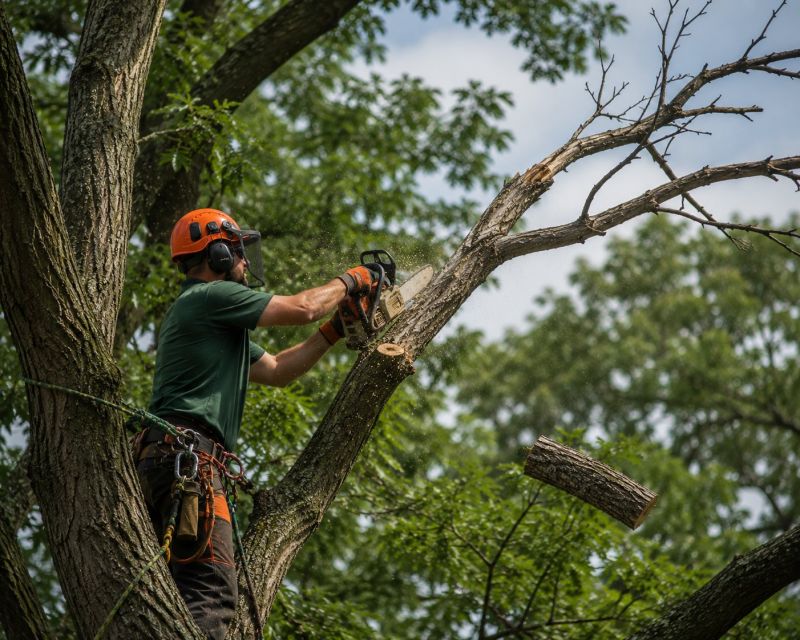
Deadwood removal services involve the safe and efficient removal of dead or hazardous trees, branches, and other woody debris from residential properties. These services are often requested for projects such as clearing fallen trees after storms, removing dead or dying trees that pose a risk to structures or people, and maintaining a tidy landscape. Property owners typically want to understand the scope of the work, including whether the removal includes stump grinding or disposal, and if any permits are required for certain tree removals.
Before requesting deadwood removal, homeowners should consider the size and location of the trees or debris, as well as any potential obstacles like power lines or structures. It’s also helpful to know if the removal will impact the landscape or require additional services such as pruning or land clearing. Clarifying these details ensures the project meets safety standards and aligns with the property's maintenance goals.
Many property owners in Reno, NV look into Deadwood Removal for repairs, replacements, upgrades, and appearance-related improvements.
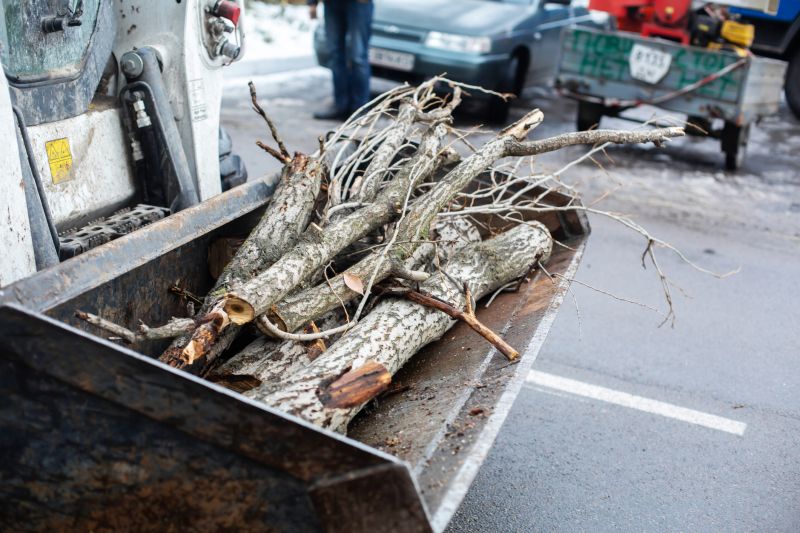
Types Of Deadwood Removed
Services include removal of dead branches, fallen trees, and hazardous limbs to improve safety and appearance.
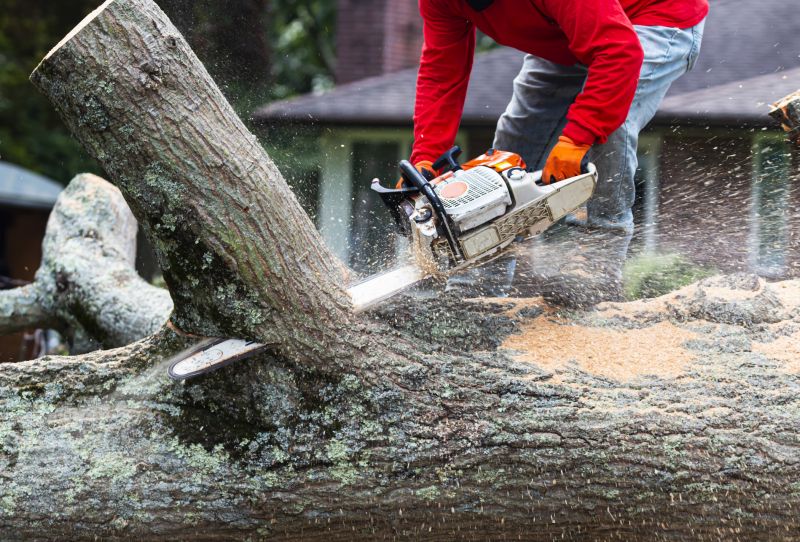
Property Enhancement Benefits
Removing deadwood helps maintain the health of trees and enhances the overall landscape of properties in reno.
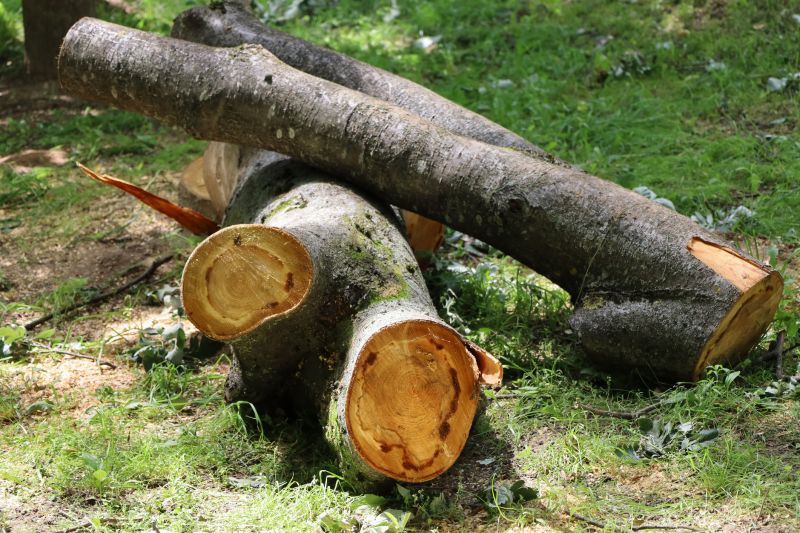
Safety And Liability
Deadwood removal reduces the risk of property damage and personal injury caused by falling branches or trees.
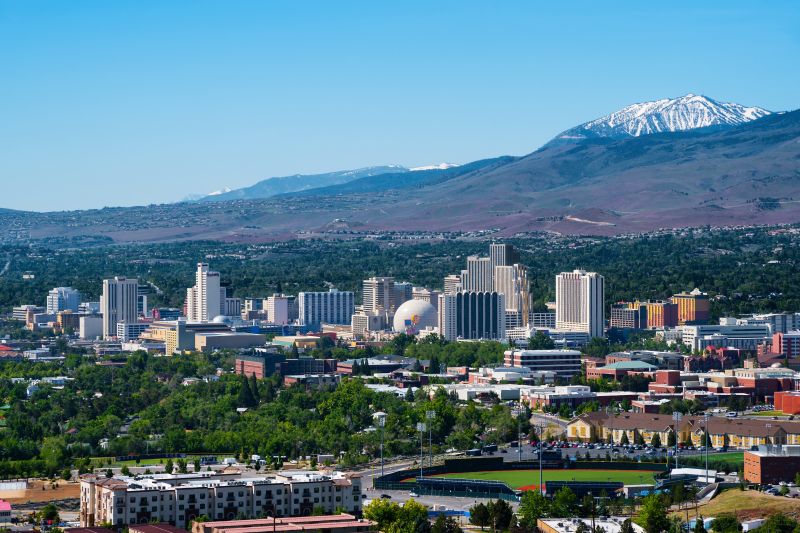
Deadwood Removal in Reno, NV
Deadwood removal services involve the safe and efficient removal of dead or hazardous trees, branches, and other woody debris from residential properties. These services are often requested for projects such as clearing fallen trees after storms, removing dead or dying trees that pose a risk to structures or people, and maintaining a tidy landscape. Property owners typically want to understand the scope of the work, including whether the removal includes stump grinding or disposal, and if any permits are required for certain tree removals.
Before requesting deadwood removal, homeowners should consider the size and location of the trees or debris, as well as any potential obstacles like power lines or structures. It’s also helpful to know if the removal will impact the landscape or require additional services such as pruning or land clearing. Clarifying these details ensures the project meets safety standards and aligns with the property's maintenance goals.
Many property owners in Reno, NV look into Deadwood Removal for repairs, replacements, upgrades, and appearance-related improvements.
Common Deadwood Removal Jobs
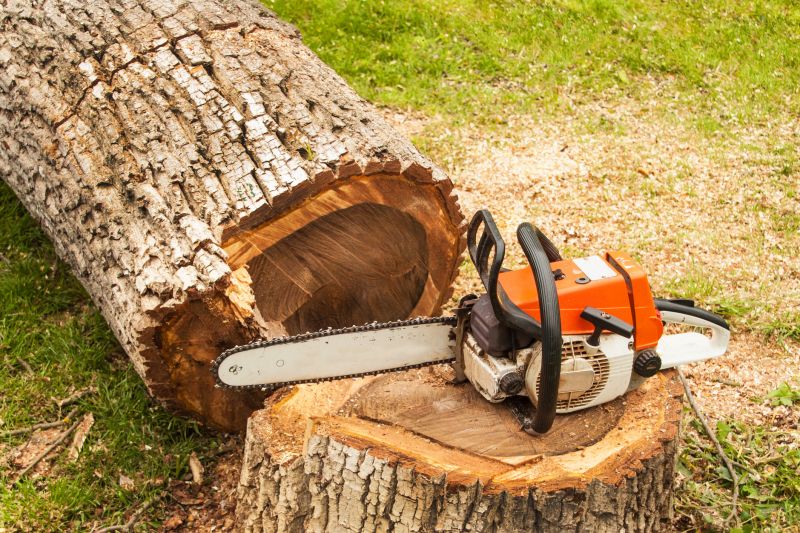
Deadwood Removal - Clearing dead or fallen trees to improve property safety and appearance.
Storm Cleanup - Removing debris and hazardous branches after storms to prevent damage.
Land Clearing - Removing dead trees and brush to prepare land for development or landscaping.
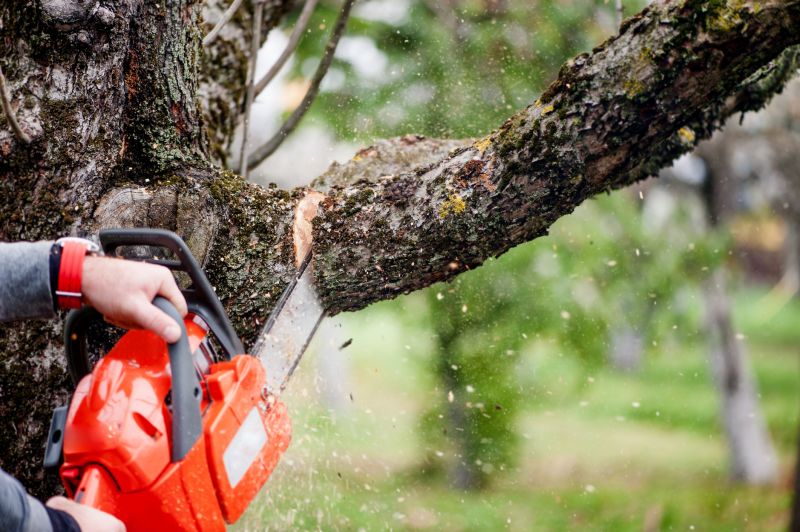
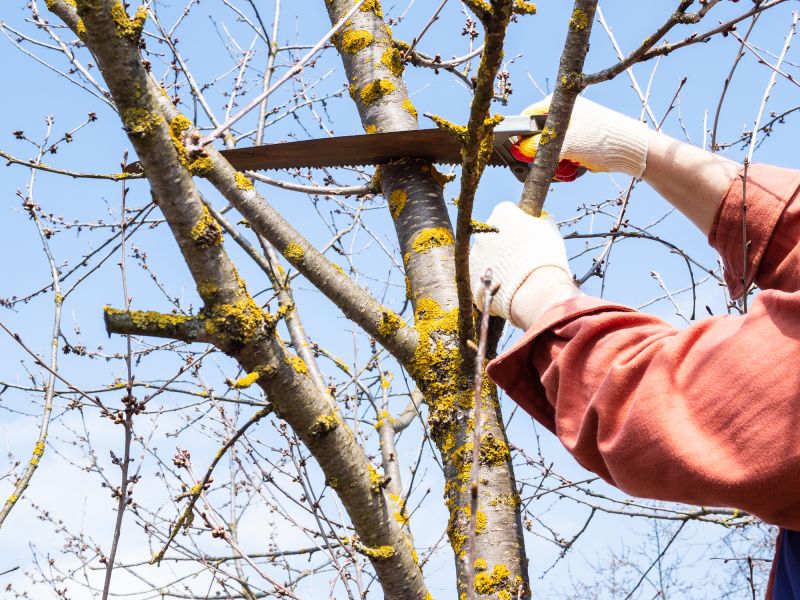
Tree Trimming - Cutting back dead or damaged branches to promote healthy growth.
Emergency Tree Removal - Quickly removing trees that pose immediate safety risks due to damage or instability.
Brush and Limb Removal - Clearing away dead limbs and brush to maintain a tidy yard and prevent fire hazards.
Deadwood Removal Questions
What types of deadwood removal services are available? Services include removal of dead branches, fallen trees, and hazardous limb clearance to improve safety and appearance.
Why is deadwood removal important for property maintenance? Removing deadwood helps prevent potential damage, reduces fire risk, and enhances the overall health of trees and landscape.
What should property owners consider before scheduling deadwood removal? Consider the location of deadwood, potential hazards, and the impact on surrounding plants or structures.
How does deadwood removal benefit tree health? Clearing dead branches allows more sunlight and airflow, promoting healthier growth and reducing the risk of disease.
Request Deadwood Removal in Reno, NV
Use the quote form on this page to share the basics of your project and request more information for the type of work you need.